
Cabbage for Rheumatoid Arthritis & Osteoarthritis
The complete recipe guide - from raw cabbage salads and lightly steamed sabzis to fermented sauerkraut, plus the evidence behind cabbage leaf wraps for knee osteoarthritis.
Jump to a Section
Chop, Wash, Repeat
Whatever recipe you choose - raw, steamed or fermented - chop the cabbage first, then wash it thoroughly under running water.
Separate the leaves so water can reach between the folds. Cabbage heads are tightly layered, and dust, soil residue or small insects may remain between the leaves. Simply rinsing the outside of a whole cabbage may not adequately clean the inner layers.
This is not specifically about "killing worms." It is simply a sensible produce-hygiene practice that can help dislodge dirt and surface residue.
Does Cabbage Cause "Brain Worms"?
This is a persistent food myth, particularly in India. The concern relates to neurocysticercosis, an infection caused by the larval form of the pork tapeworm Taenia solium.
The important point is that cabbage itself does not generate tapeworms.
Transmission occurs when tapeworm eggs originating from human fecal contamination are swallowed. This is primarily a sanitation, contaminated food/water and hand-hygiene issue.
Neurologists from Dayanand Medical College and Hospital, Ludhiana have also publicly addressed this misconception, emphasizing poor sanitation and food contamination rather than cabbage itself as the relevant issue.
Why Cabbage May Be Useful in RA & OA
Cabbage belongs to the cruciferous vegetable family alongside broccoli and Brussels sprouts.
Cruciferous vegetables contain compounds that can form sulforaphane. Experimental research suggests sulforaphane can influence inflammatory pathways and enzymes involved in cartilage breakdown.
Eating cabbage can still be considered a nutritious, evidence-informed addition to an overall anti-inflammatory diet, but it should not be presented as a cure for arthritis.
🥗 Raw Cabbage Recipes
Raw preparation preserves more of the enzyme activity involved in producing sulforaphane. After chopping, allow the cabbage to rest briefly before adding the remaining ingredients.
A) Classic Indian Cabbage Salad - Kachumber Style
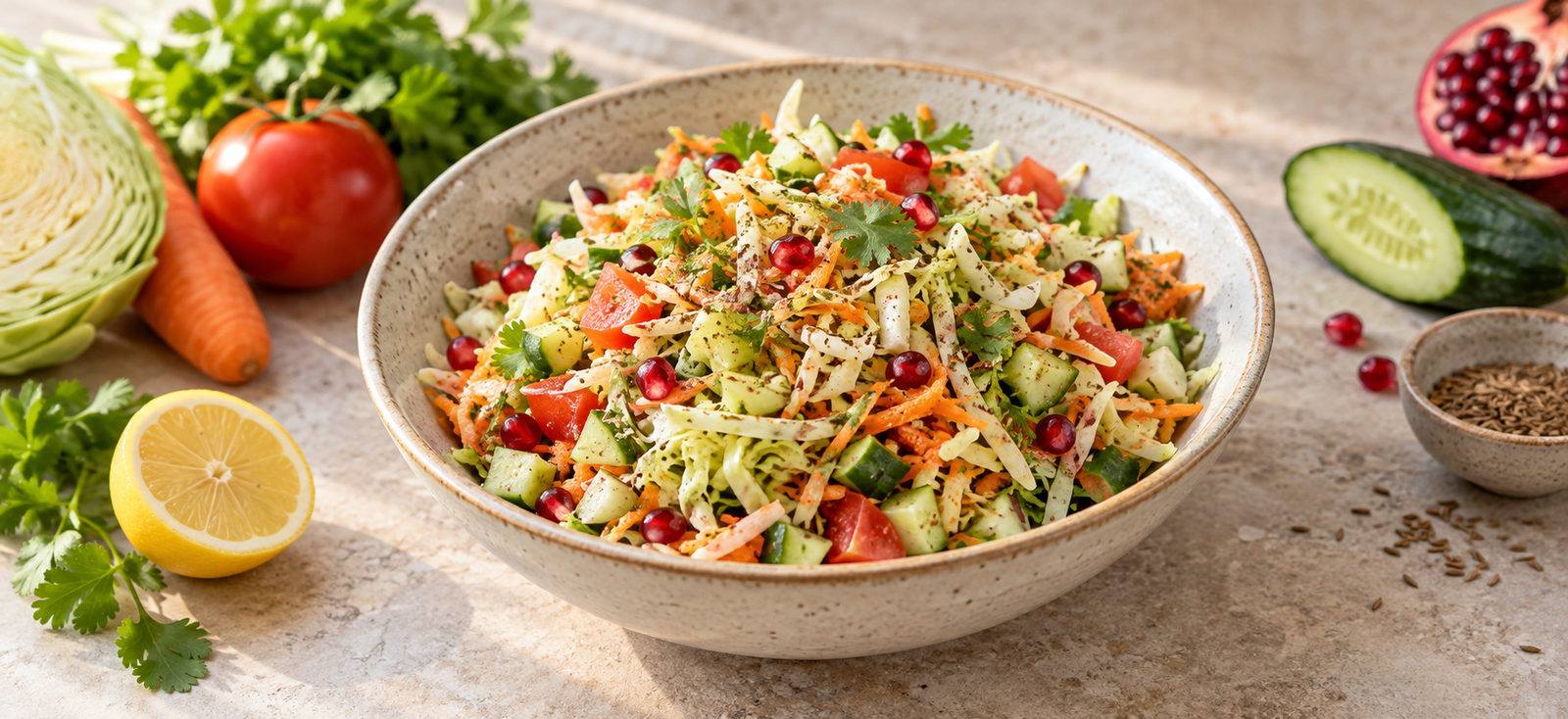
- Finely shredded cabbage
- Grated carrot
- Chopped cucumber
- Tomato
- Lemon juice
- A pinch of black salt
- Roasted jeera powder
- Optional pomegranate seeds
How to prepare: Let the shredded cabbage rest for approximately 5-10 minutes after chopping. Then mix it with the remaining ingredients and serve fresh.
B) Cabbage-Peanut Salad - South Indian Style
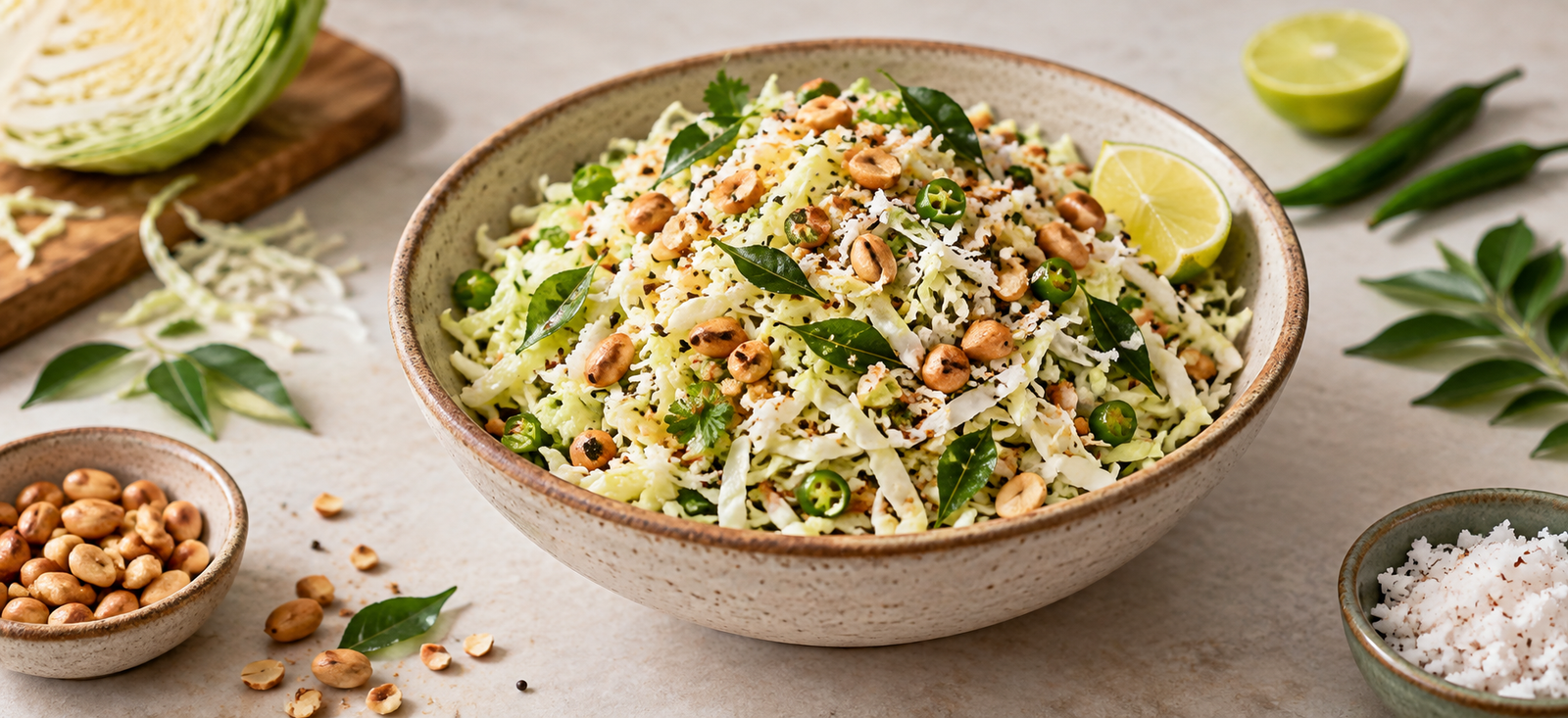
- Shredded cabbage
- Roasted crushed peanuts
- Grated coconut
- Mustard seeds
- Curry leaves
- A little coconut oil
- Green chilli
- Fresh lime
Prepare a light tempering with mustard seeds, curry leaves, coconut oil and chilli. Mix with the shredded cabbage, peanuts and coconut, then finish with fresh lime.
C) Anti-Inflammatory Cabbage-Beet Slaw
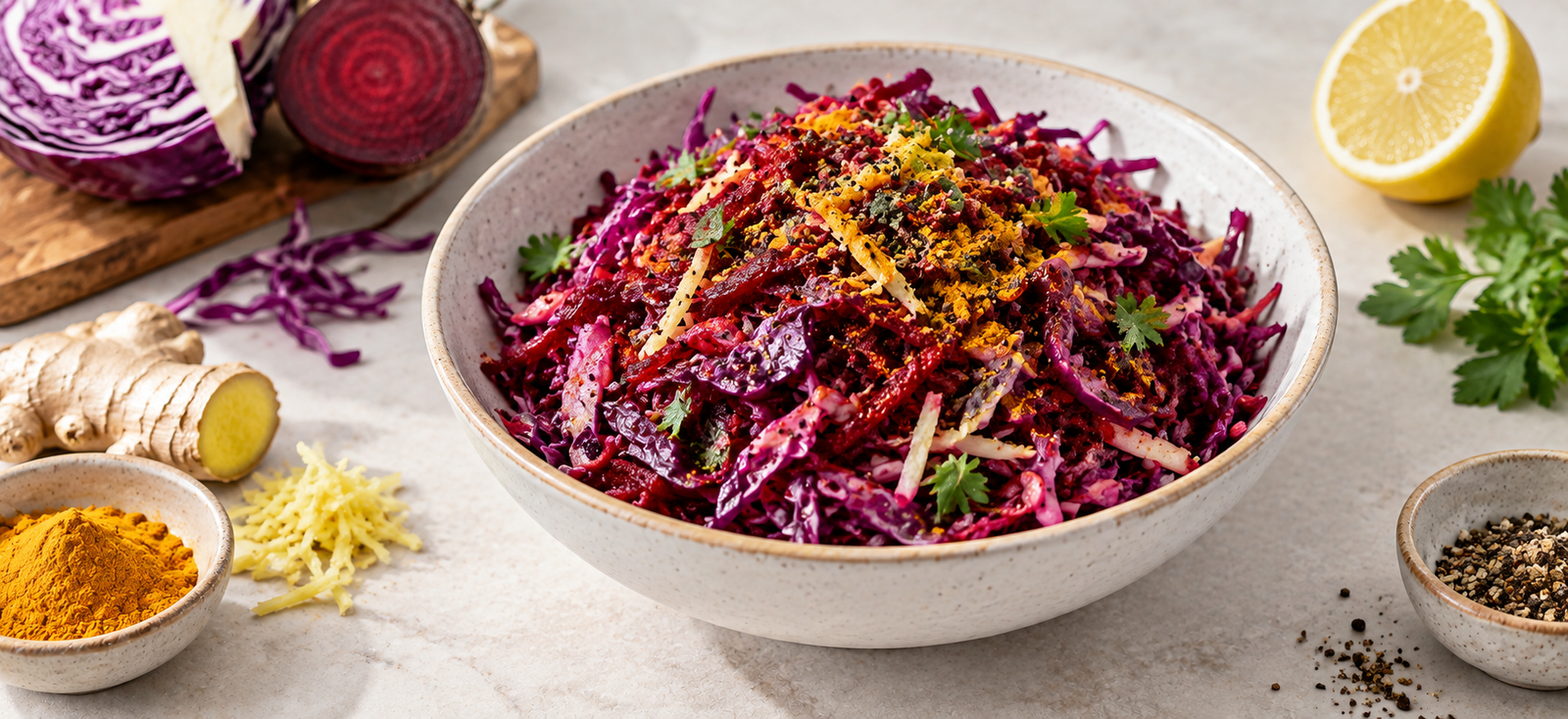
- Shredded purple cabbage
- Grated beetroot
- Fresh grated ginger
- Olive oil
- Lemon juice
- Touch of turmeric
- Black pepper
Purple cabbage also provides anthocyanins, while black pepper contains piperine, which can increase the absorption of curcumin from turmeric.
D) Simple Vinegar Cabbage Salad
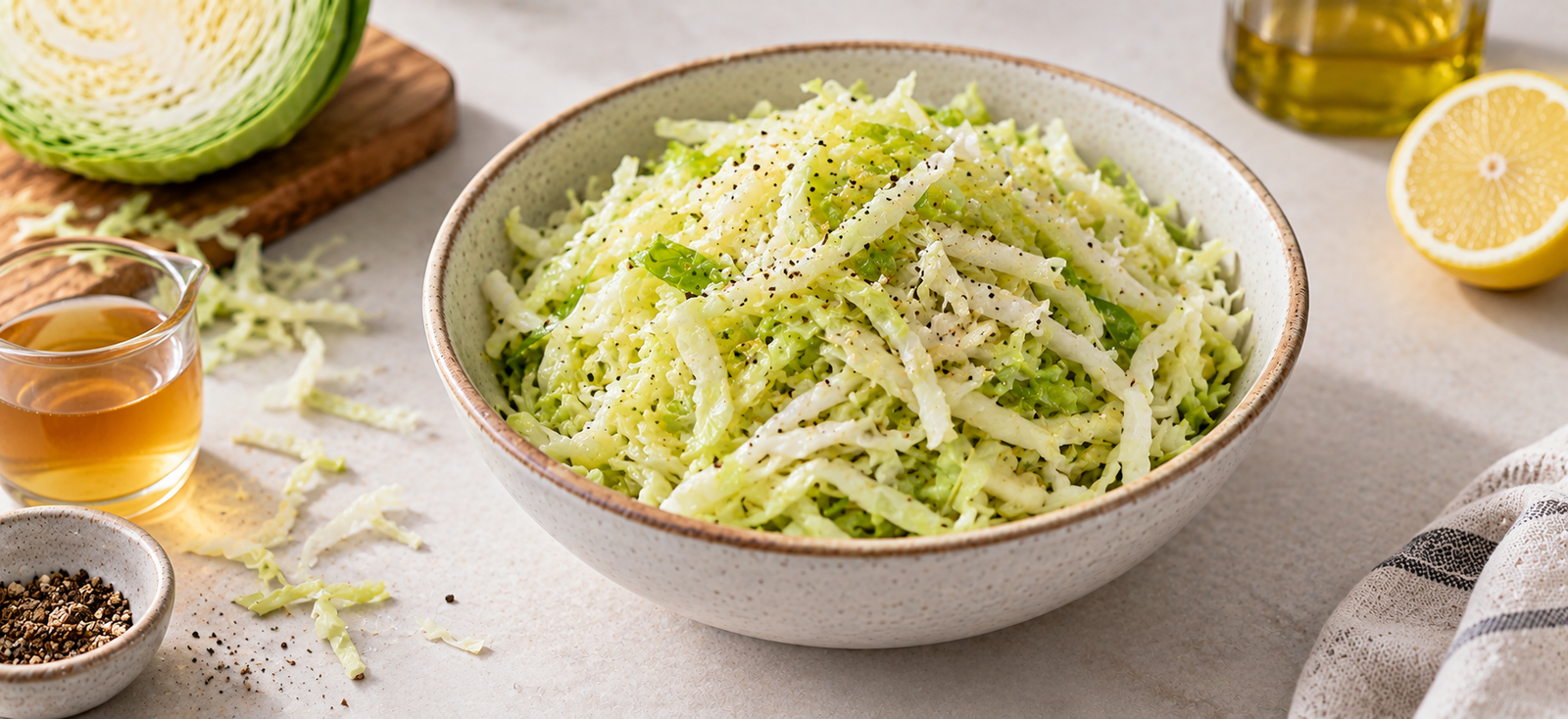
- Thinly sliced cabbage
- Apple cider vinegar
- Olive oil
- Salt
- Black pepper
Combine everything and allow it to rest for approximately 15-20 minutes before eating. This creates a lightly pickled texture without full fermentation.
♨️ Steamed Cabbage Recipes
Steaming avoids heavy frying and can make cabbage easier to tolerate for people who find large amounts of raw cabbage difficult to digest.
A) Steamed Cabbage Sabzi
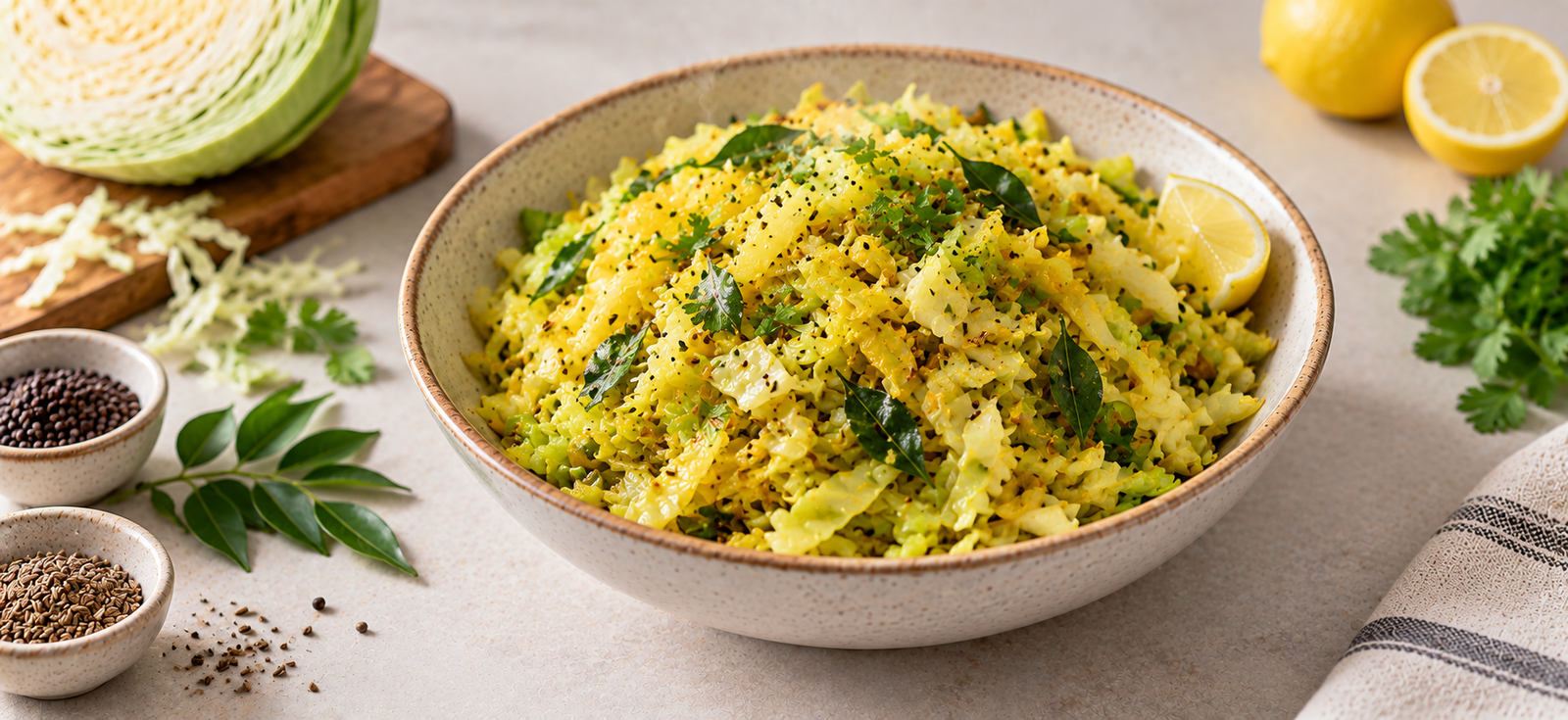
- Steam roughly chopped cabbage for about 5-7 minutes until just tender.
- Prepare a light tadka using mustard seeds, cumin, curry leaves and a pinch of turmeric.
- Use only a small amount of mustard oil or olive oil.
- Finish with lemon juice and fresh coriander.
B) Steamed Cabbage & Moong Dal Bowl
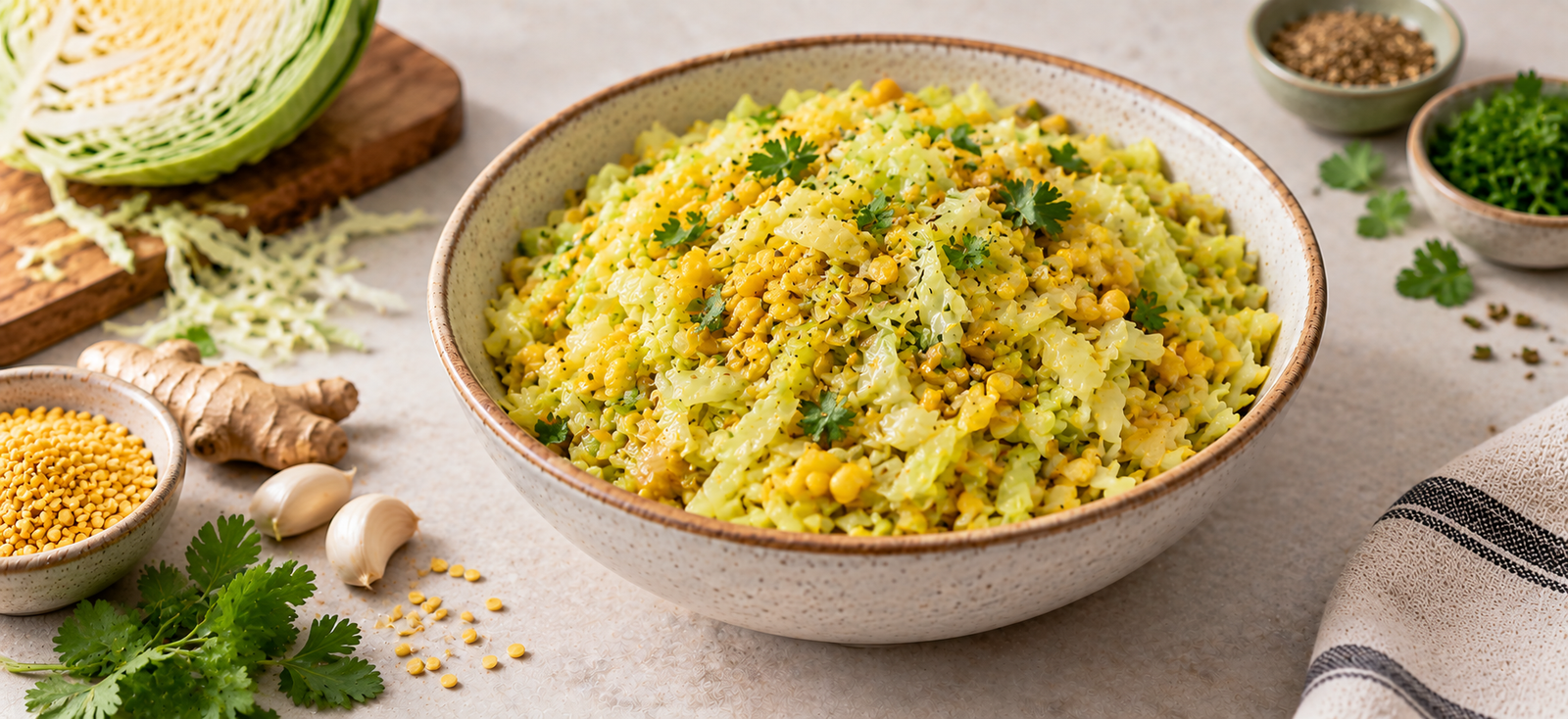
- Steam the cabbage separately.
- Cook moong dal until soft.
- Combine with a light ginger, garlic and cumin tempering.
- Serve warm.
This provides a softer preparation for people who prefer cooked cabbage over a large raw salad.
C) Steamed Cabbage Momos / Dumplings
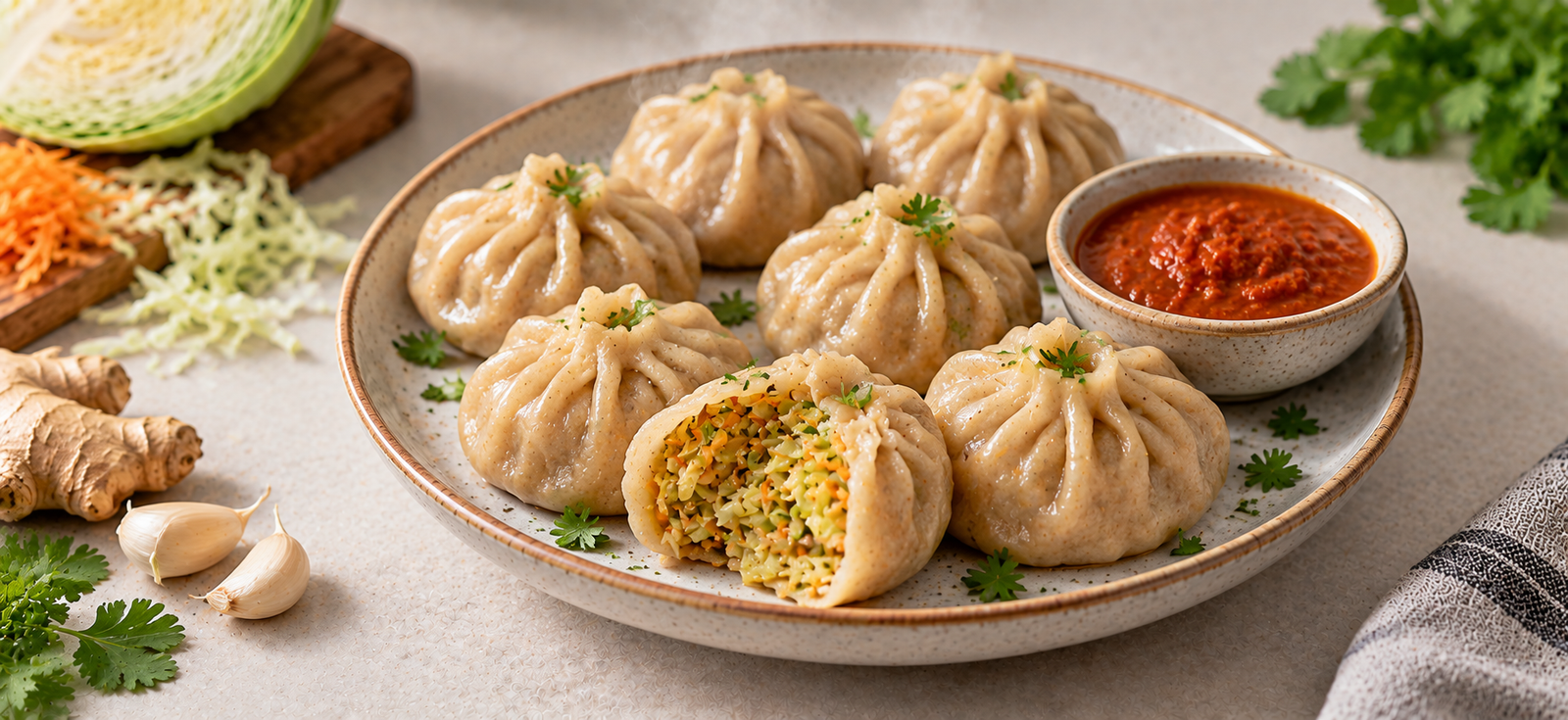
- Finely chopped cabbage
- Grated carrot
- Ginger
- Garlic
- Whole-wheat or multigrain wrapper
Fill the wrapper with the cabbage mixture and steam rather than fry. Serve with a light tomato-garlic chutney.
D) Steamed Cabbage with Garlic & Olive Oil
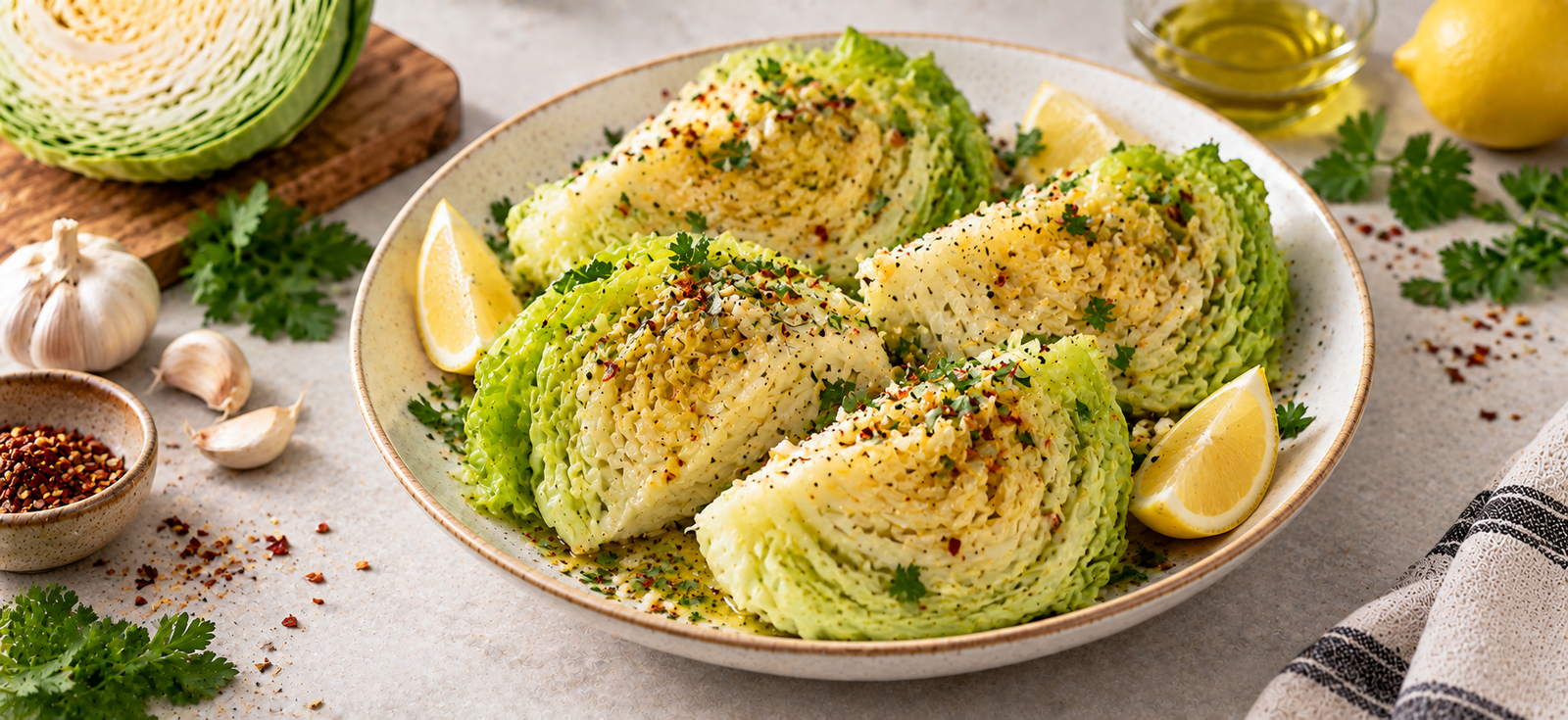
- Steam cabbage wedges until just tender.
- Drizzle lightly with olive oil.
- Add crushed garlic and chilli flakes.
- Finish with fresh lemon juice.
A simple Mediterranean-style preparation using only a few ingredients.
🫙 Fermented Cabbage Recipes
Fermented cabbage provides a different preparation method and may also contribute fermented-food microorganisms and fermentation products to the diet.
A) Classic Sauerkraut
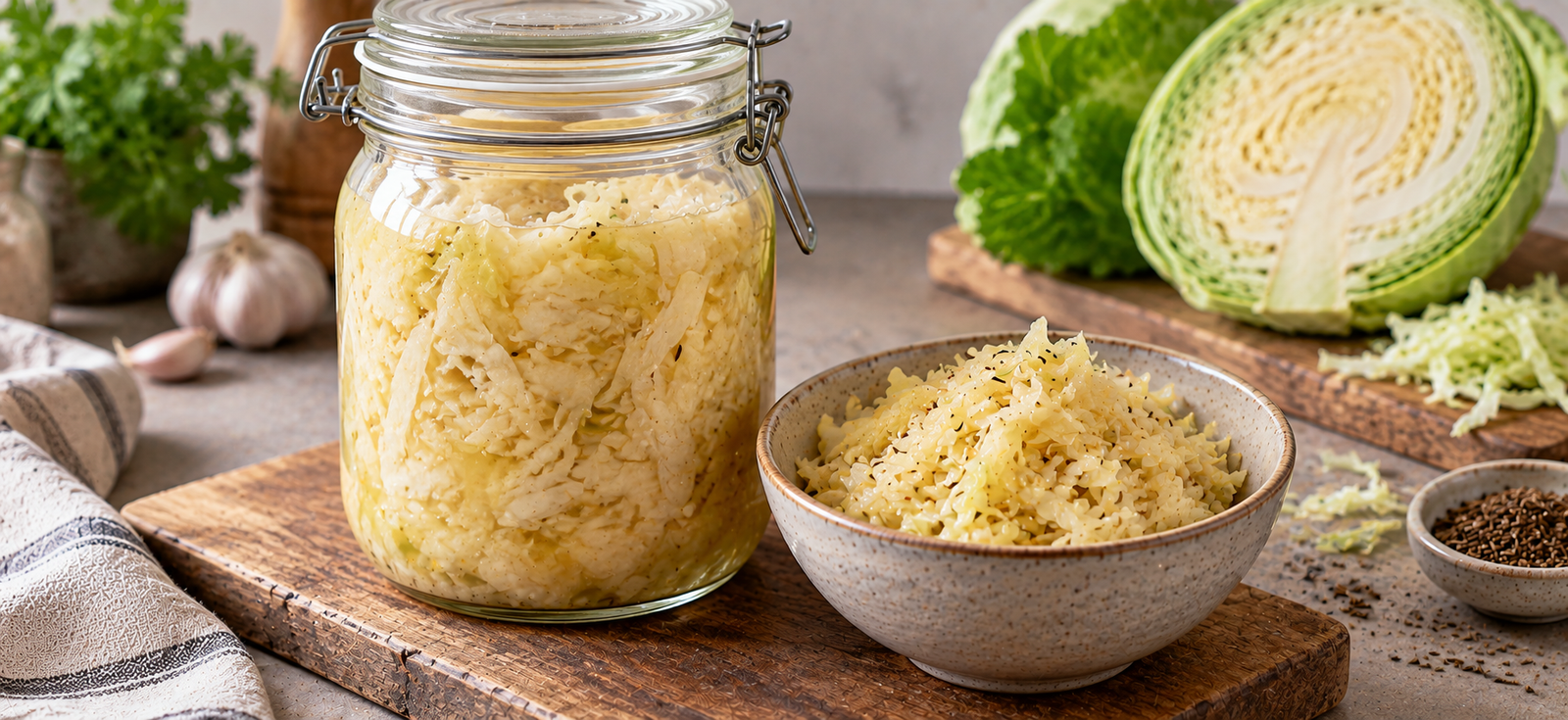
- Thinly shred the cabbage.
- Add approximately 1.5-2% salt by weight.
- Massage the cabbage until it begins releasing liquid.
- Pack tightly into a clean jar so the cabbage remains submerged beneath its own brine.
- Ferment at room temperature for approximately 5-10 days.
- Refrigerate once the desired taste is reached.
Use a small serving alongside meals rather than treating sauerkraut as the main dish.
B) Indian-Style Fermented Cabbage Pickle
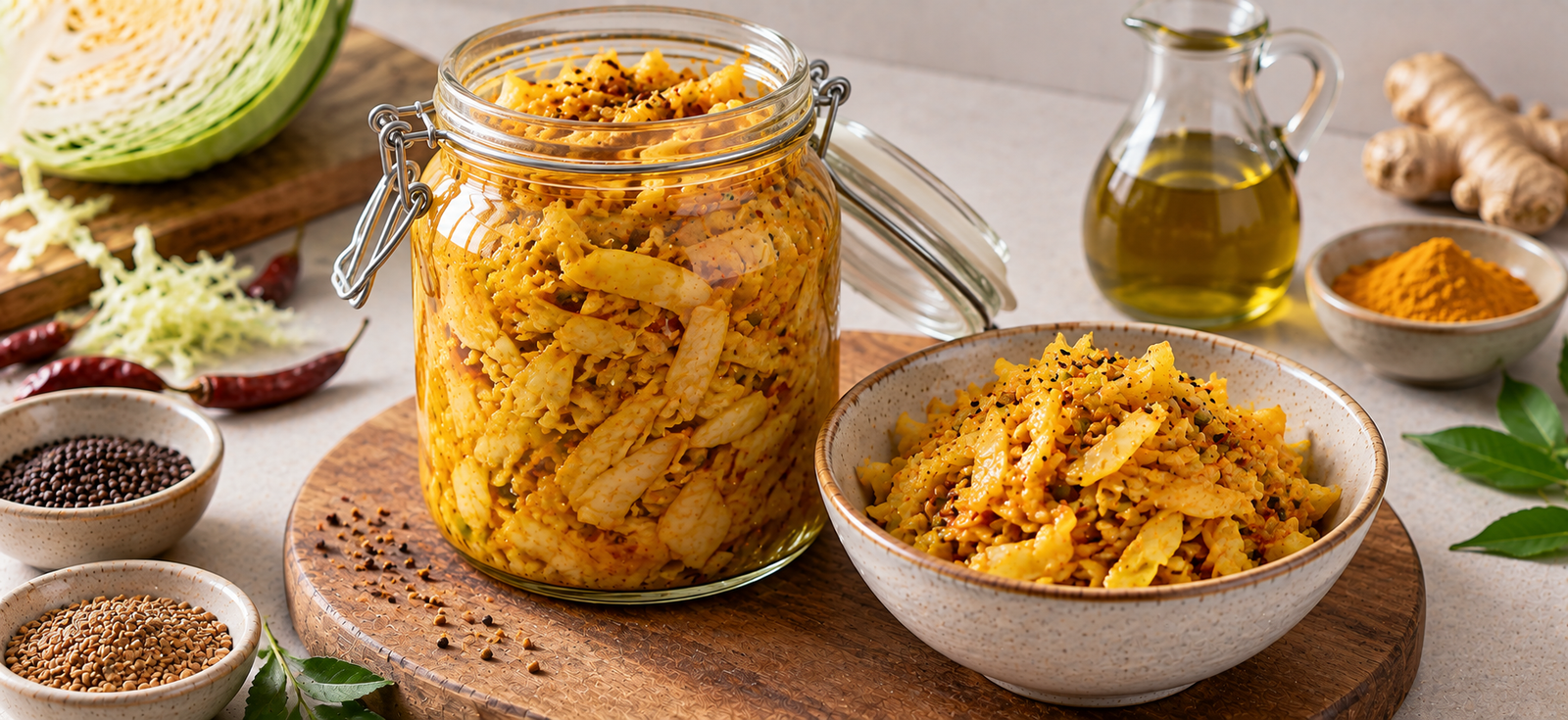
- Shredded cabbage
- Mustard seeds
- Fenugreek seeds
- Turmeric
- Red chilli powder
- Salt
- Mustard oil
Mix, coat lightly with mustard oil and pack into a clean jar. Allow it to ferment for approximately 2-3 days in a warm location, stirring once daily.
C) Cabbage Kimchi - Milder Indian Adaptation
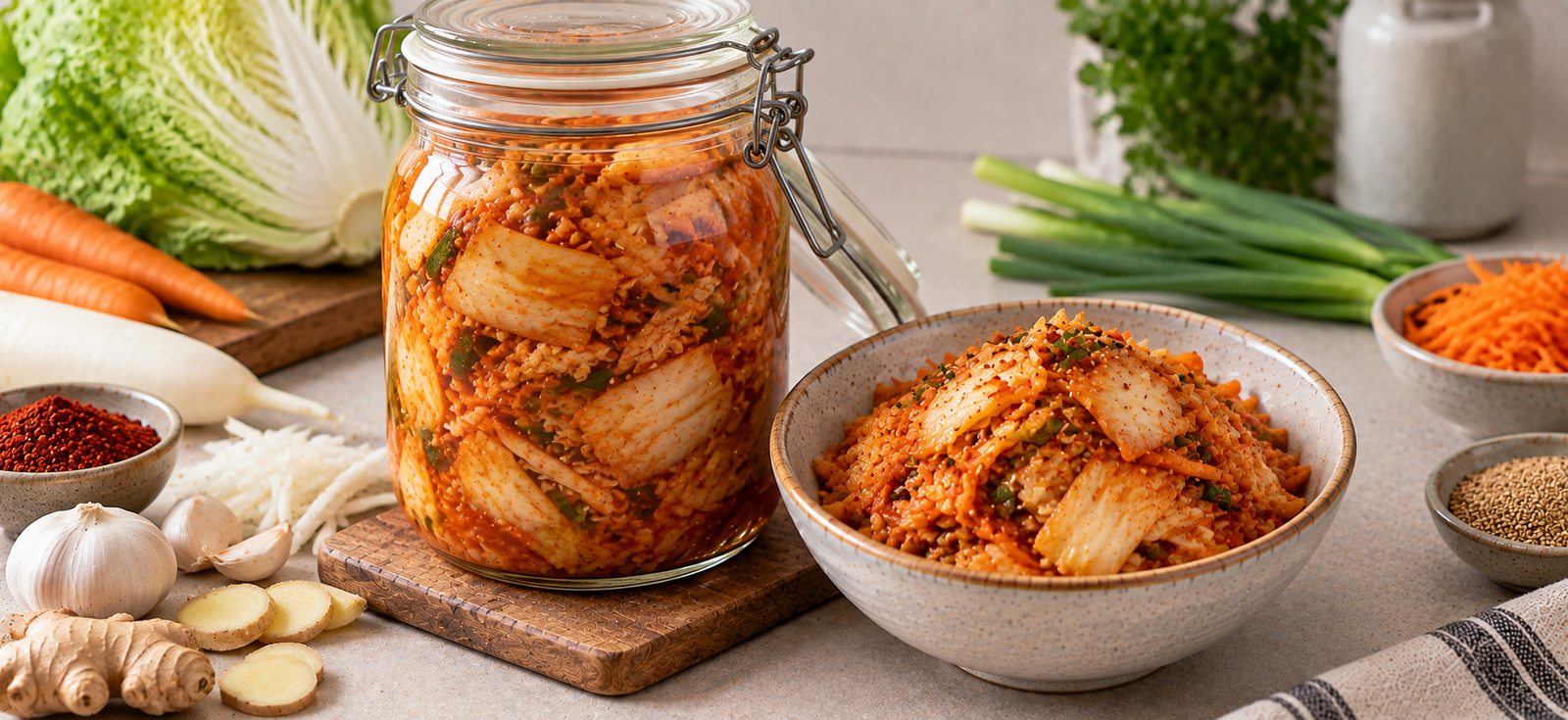
- Salted cabbage
- Grated radish
- Ginger
- Garlic
- Mild chilli paste adjusted to taste
Pack into a clean container and ferment for approximately 2-5 days, depending on how sour you prefer it.
🦵 Cabbage Leaf Wrap for the Knee
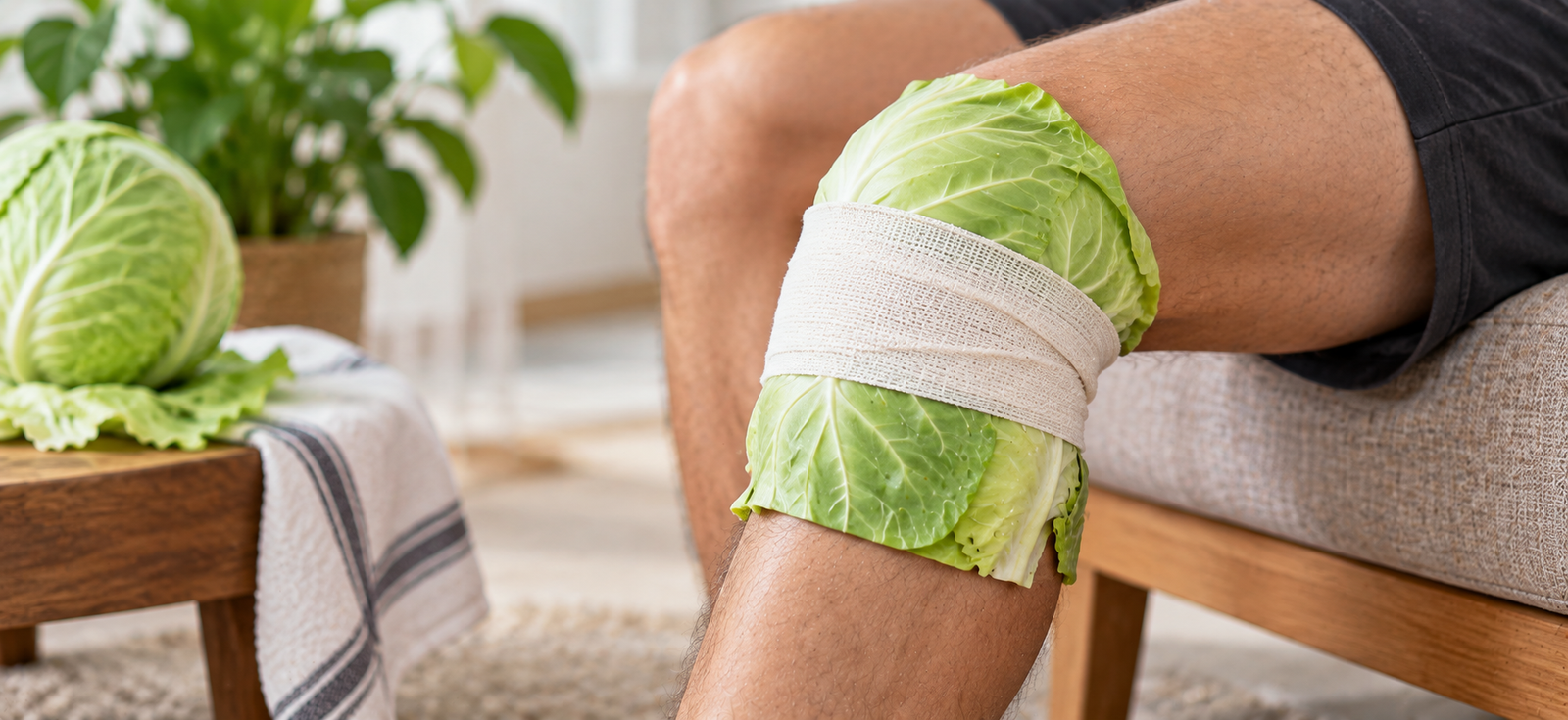
This is different from eating cabbage. Whole cabbage leaves applied externally to a painful knee have been evaluated in human randomized controlled trials involving knee osteoarthritis.
- Take a whole cold cabbage leaf.
- Lightly crush or roll it using a rolling pin to help release some of its juices.
- Place the cabbage leaf around the affected knee.
- Secure it gently using a bandage or clean cloth.
- Leave it in place for approximately 1-2 hours. Some research protocols used longer application periods.
📚 Evidence for Cabbage, Sulforaphane & Joint Health
The evidence is easier to understand when it is separated by study type.
TIER 1 Human Randomized Controlled Trials
Strongest direct evidence - topical cabbage leaf use for knee osteoarthritis.
Efficacy of Cabbage Leaf Wraps in the Treatment of Symptomatic Osteoarthritis of the Knee: A Randomized Controlled Trial.
Clinical Journal of Pain. 2016;32(11):961-971. The trial included 81 patients and reported improvement in knee OA pain compared with usual care.
Efficacy of Cabbage Leaf versus Cooling Gel Pad or Diclofenac Gel for Patients with Knee Osteoarthritis: A Randomized Open-Labeled Controlled Clinical Trial.
Evidence-Based Complementary and Alternative Medicine. 2022.
TIER 2 Mechanistic & Animal Research
Research published in Arthritis & Rheumatism reported that sulforaphane influenced inflammatory enzymes and cartilage-degrading metalloproteases in joint cells and slowed cartilage damage in experimental models.
The anti-arthritis effect of sulforaphane, an activator of Nrf2, is associated with inhibition of both B cell differentiation and the production of inflammatory cytokines.
Sulforaphane has also been studied in animal models examining inflammatory joint responses.
TIER 3 Plant Compound / Cross-Species Mechanistic Research
Research involving bol-miRNA172a, a microRNA found in cabbage leaves, has investigated effects on proteins involved in TNF-α inflammatory signaling and paw swelling in experimental rheumatoid arthritis models.
TIER 4 General Patient-Facing Sources
The Arthritis Foundation includes cruciferous vegetables such as cabbage, broccoli and Brussels sprouts among vegetables worth incorporating into a nutritious diet for people with arthritis.
These recommendations should not be interpreted as proof that cabbage alone can stop arthritis progression.
On the "Cabbage Causes Brain Worm" Myth
The Tribune: "Eating cabbage doesn't cause brain tapeworm, say experts" (2019), reporting comments from Dr. Gagandeep Singh, Head of Neurology at Dayanand Medical College and Hospital, Ludhiana, regarding neurocysticercosis, sanitation and the cabbage myth.
Important Evidence Note
The strongest and most direct human evidence discussed here is for topical cabbage leaf wraps in knee osteoarthritis.
The evidence for eating cabbage in rheumatoid arthritis and osteoarthritis is primarily nutritional and mechanistic, particularly research involving sulforaphane. Large human dietary trials showing that cabbage itself treats RA or OA are still lacking.
Therefore, cabbage is best presented as a nutritious, low-cost and evidence-informed addition to an overall healthy diet rather than as a proven cure for arthritis.